Roofing work in Industry
Repairs and full replacements go through the same three questions. The difference is who ends up receiving the request.
Be first in line
We are lining up licensed providers near you. Leave your details and we will email you when one can take this on.
You are on the list.
No provider in Industry is taking requests through this service yet. We are lining them up, and yours is kept until one can.
- Nobody gets your details yet. Your request stays with us and is not passed to any company.
- One email when someone can help. When a provider covering your area can take it on, we email you once and ask whether you want that company, by name, to contact you.
- Deleted after 90 days. If nobody can take it on, or you do not say yes, your contact details are deleted 90 days after your request.
- You decide, or you do not. There is nothing to cancel and nothing to pay us.
Nobody will call you about this request unless you say yes to a company by name.
Why Industry roofs fail the way they do
At around 25 miles inland, the coast still sets the weather even if the salt is milder. Industry sits in Los Angeles County with a population of around 256. Distances matter here. A crew may be driving forty minutes each way, and that shows up in the quote.
The problem that comes up first here is sudden dry winds that test every lifted edge on the roof. Dry offshore wind lifts material that damp coastal air had been holding down. Most wind losses here happen on a handful of nights a year.
The second problem is the marine layer keeping the north slope damp. Nothing dramatic happens. A slope stays damp most mornings for thirty years, and eventually that is enough.
That is the context every quote you get should reflect, and the reason a national price calculator will be wrong for your house.
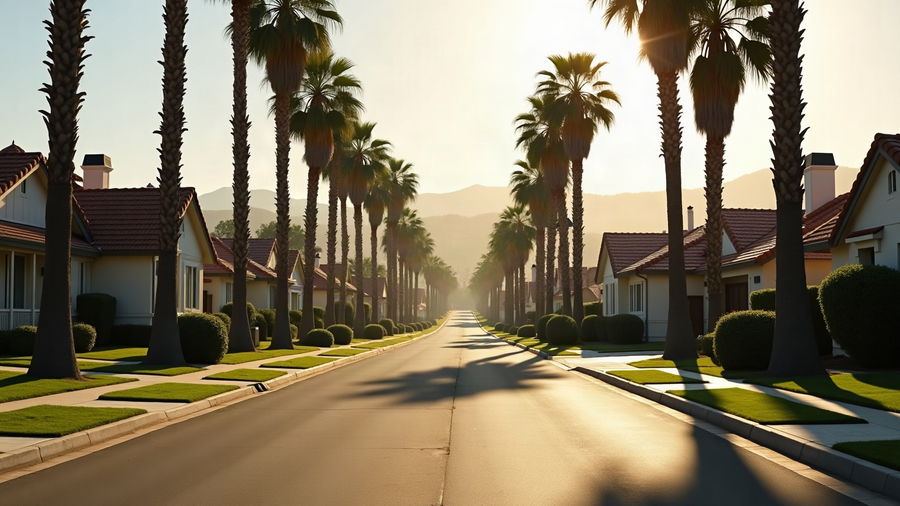
Illustrative photographs of roofing work in general. Not photographs of jobs arranged through this site.
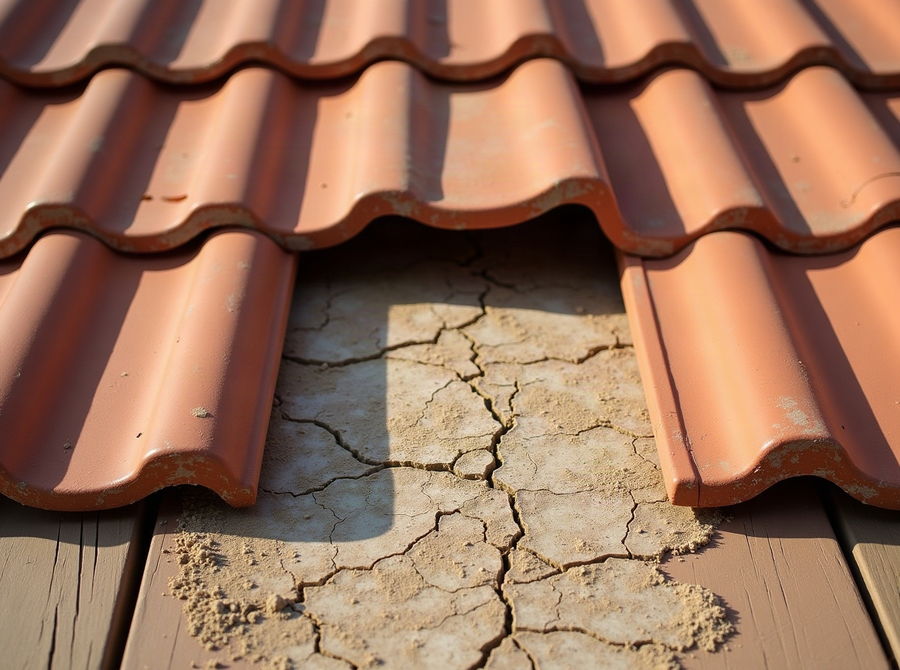
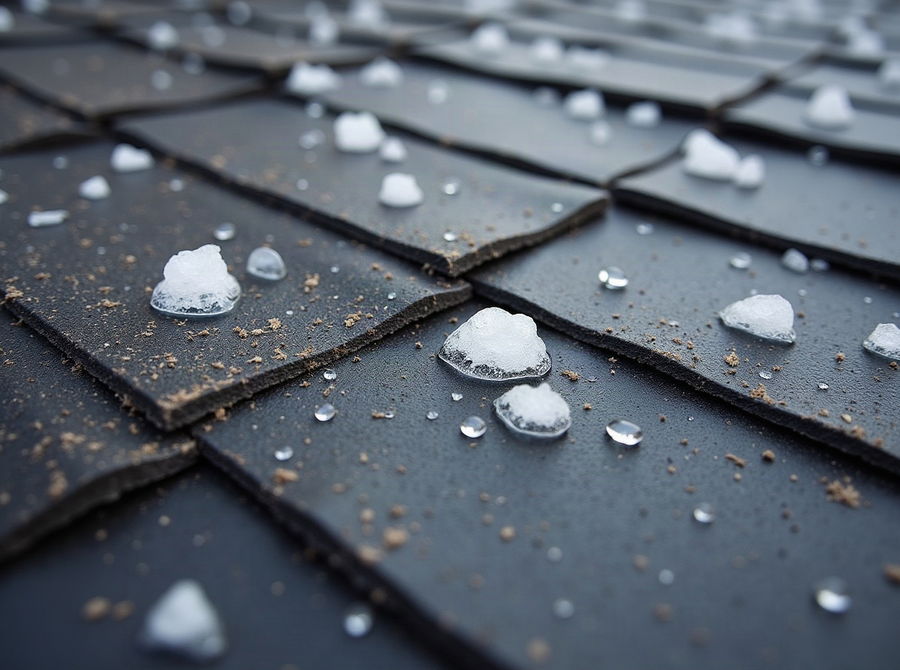
Illustrative photographs of roofing work in general. Not photographs of jobs arranged through this site.
Offshore wind events
Dry offshore wind lifts material that damp coastal air had been holding down. Most wind losses here happen on a handful of nights a year.
Marine layer damp and slow drying
Nothing dramatic happens. A slope stays damp most mornings for thirty years, and eventually that is enough.
Ember and wildfire exposure
Most houses lost to wildfire are lost to embers arriving ahead of the fire, not to the fire itself.
Start with a free estimate
Free, no obligation, and your details go to no company until you say yes.